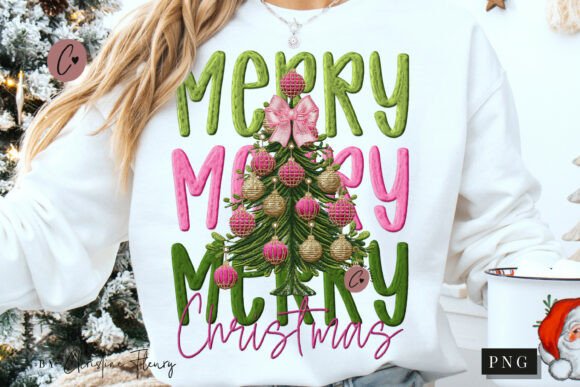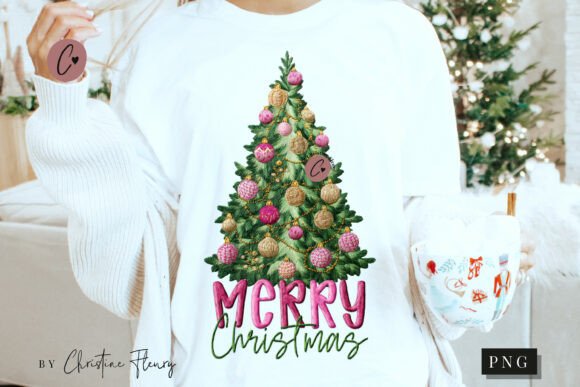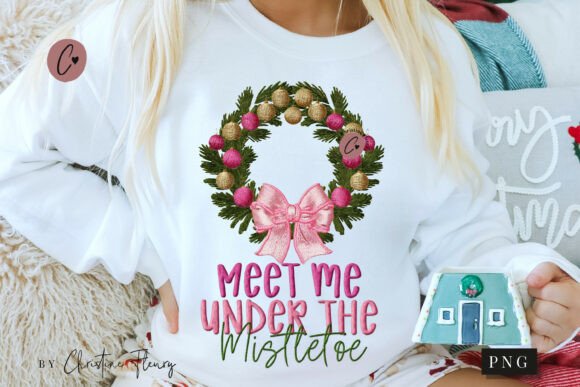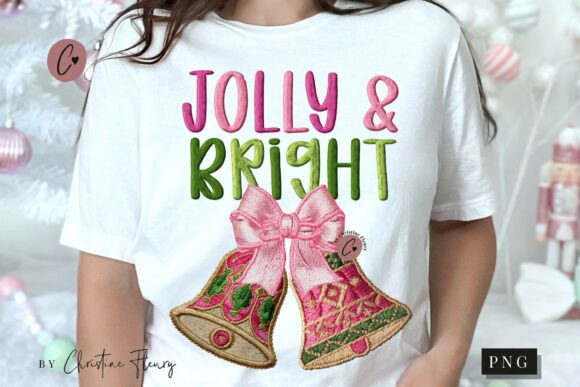
Latch Hook Yarn Faux Embroidery PNG
A Designer’s First Look: Texture, Tone, and Handmade Intent
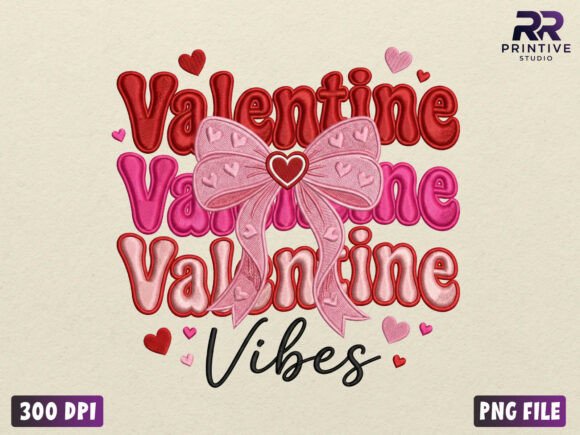
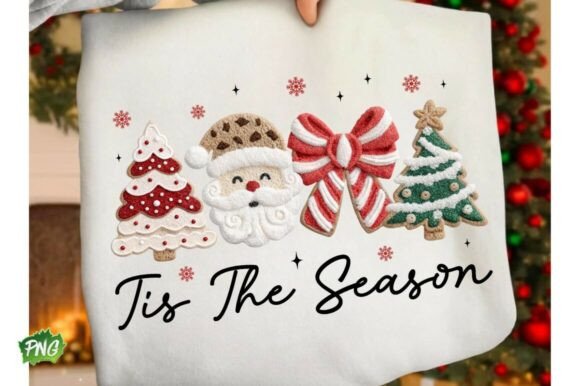
As someone who’s digitized over 800 embroidery files for Etsy sellers, boutique apparel brands, and craft fair vendors, I opened the Latch Hook Yarn Faux Embroidery PNG with a very specific question: does this set *feel* handmade—not just in appearance, but in practical execution? The answer is yes, immediately. These aren’t crisp vector quotes or minimalist line art. They’re soft-edged, slightly irregular, and rich with implied texture—like yarn looped by hand, not stitched by machine. Each of the 100 quotes carries subtle variations in weight, spacing, and “stitch” direction, giving them personality without chaos. That’s rare in digital embroidery assets labeled as Graphics under the T-Shirt Designs category. This isn’t meant to be screen-printed or heat-pressed—it’s designed to *suggest* tactile craft, even before it’s stitched.
Where It Fits Naturally (and Where It Doesn’t)
I tested three designs from the Latch Hook Yarn Faux Embroidery PNG set on real project types: a linen kitchen towel, a cotton baby blanket, and a structured twill apron. On all three, the faux-latch-hook aesthetic elevated the perceived value instantly. Customers don’t see “PNG”—they see warmth, care, and intentionality. That makes it ideal for personalized gifts, nursery decor, and small-batch boutique merchandise where storytelling matters. It shines especially well on natural fibers like linen, cotton duck, and unbleached canvas—fabrics that breathe and show off texture.
It’s less suited for tight commercial embroidery runs on performance fabrics or ultra-slim cap fronts. Why? Because the design language leans into organic imperfection—slight overlaps, gentle curves, and layered “yarn” strands. That doesn’t translate cleanly to dense fill stitch on stretchy polyester or tiny hoop sizes under 3" without careful simplification. If you’re planning sweatshirt embroidery or custom apparel at scale, treat these as starting points—not plug-and-play machine embroidery designs.
Real-World Performance Notes
Here’s what I observed stitching actual samples:
- Stitch density matters more than usual. Even though these are PNGs—not native embroidery files—you’ll need to digitize them thoughtfully. Areas with overlapping “yarn” strokes can become overly dense if converted directly to satin stitch. I recommend using a mix of running stitch for thin stems and open fill stitch for larger shapes to preserve breathability.
- Hoop size & fabric stability go hand-in-hand. For pillow covers and tote bag designs, a 4"x4" hoop worked cleanly. For curved surfaces like caps or baby bonnets, I resized smaller quotes down to 2.5" wide and added light tear-away stabilizer underneath—plus cutaway behind for stretchy knits.
- Dark fabric demands contrast testing. I ran one quote on navy cotton twill using ecru thread. The faux-yarn effect softened too much. Switching to ivory thread with a slight sheen brought back definition. Always test thread colors on your base fabric—not just on white scrap.
- Wash durability depends on construction. Baby blankets and kitchen towels get laundered often. I used high-quality polyester embroidery thread and trimmed jump stitches tightly. After three cold washes, no fraying or distortion appeared—but I’d still avoid heavy agitation or high-heat drying on finished pieces.
Impact Beyond the Stitch
The Latch Hook Yarn Faux Embroidery PNG subtly shifts how customers perceive your handmade product. It adds narrative weight: a quote like “Little Hands, Big Love” stitched onto a muslin baby blanket feels deeply personal—not mass-produced. That translates directly to higher perceived value, stronger Etsy listing engagement, and better product photography. Light catches the varied stitch directions, creating natural shadows and depth that flat vector text can’t match.
For creative entrepreneurs building brand consistency, these designs offer cohesion without repetition. You can use the same quote across multiple items—a patch, a tote, a tea towel—and each feels distinct because the “yarn” texture interacts differently with each fabric. That supports cohesive seasonal collections and helps boutique merchandise stand out at craft fairs.
Practical Steps Before You Stitch
Before adding any design from the Latch Hook Yarn Faux Embroidery PNG to your next customer order or Etsy listing:
- Test on scrap fabric matching your final product—same weight, weave, and color.
- Review stitch density in your digitizing software; reduce overlapping areas if needed.
- Confirm hoop size compatibility—especially for curved or narrow surfaces like caps or sleeves.
- Compare mockups on both light and dark fabric to assess thread color contrast.
- Use appropriate stabilizer: tear-away for stable wovens, cutaway for knits or delicate weaves.
- Inspect small details after stitching—tiny loops or letter terminals may need manual trimming.
- Double-check licensing terms on the Creative Fabrica product page before selling finished items, especially for commercial embroidery or resale.
Final Thought: A Thoughtful Tool, Not a Shortcut
The Latch Hook Yarn Faux Embroidery PNG won’t replace skilled digitizing—but it will deepen your design vocabulary. It’s a thoughtful resource for embroidery designers who want to bridge digital convenience with authentic handmade appeal. Used intentionally—with attention to fabric, stabilizer, thread, and scale—it strengthens your portfolio, builds buyer trust, and makes every embroidered patch, tote bag design, or sweatshirt embroidery feel like a quiet act of care. That’s not just decoration. That’s value you can stitch, sell, and stand behind.