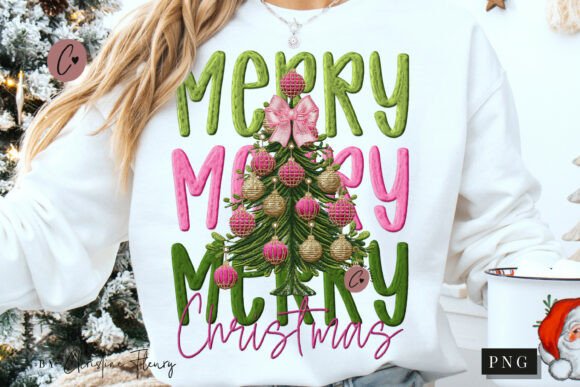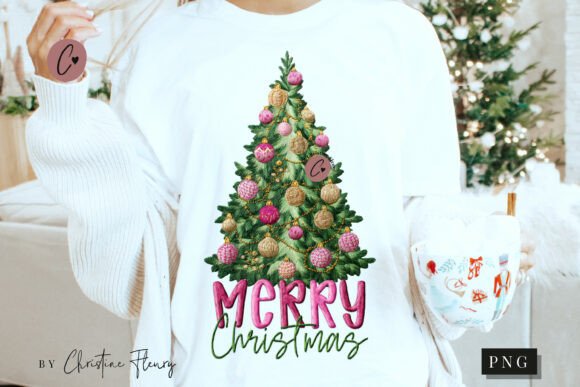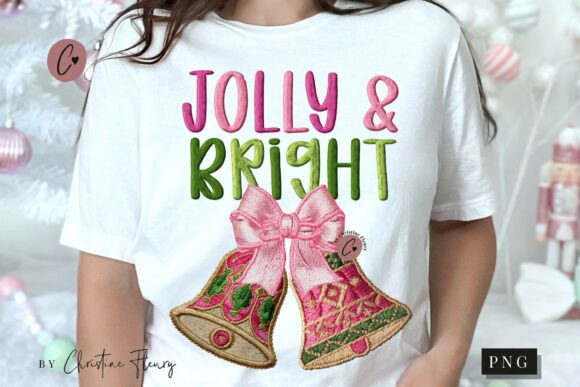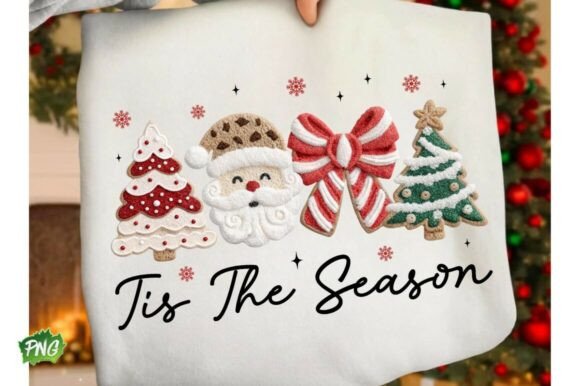
Faux Embroidery Christmas Wreath PNG
First Impression: Festive, Clean, and Instantly Recognizable
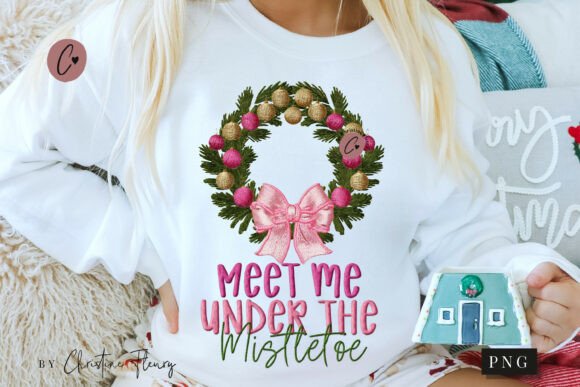
As an embroidery designer who’s prepped over 200 craft fair booths—from snowy Vermont markets to sun-drenched California pop-ups—I opened Faux Embroidery Christmas Wreath PNG expecting charm, not clutter. What landed was exactly that: a crisp, balanced wreath with layered greenery, subtle berry accents, and soft faux-stitch texture baked right into the design. It reads as festive but refined, leaning into modern farmhouse warmth without tipping into kitsch. No cartoonish holly, no glitter overload—just confident, holiday-ready elegance. That matters when your booth has 37 other vendors selling red-and-green designs. This one stops people mid-aisle.
Where It Shines: Craft Fair-Ready Product Pairings
This isn’t just another T-Shirt Designs graphic—it’s a versatile Graphics asset built for tactile, handmade appeal. On tote bag designs, it anchors the front panel beautifully at 5–6 inches wide: large enough to read from three feet away, small enough to leave room for hand-stitched handles or a coordinating monogram. As apron embroidery, it centers perfectly above the pocket—adding instant personality without overwhelming the wearer. And on tea towel embroidery? A dream. The wreath’s open negative space lets the fabric breathe, and its clean edges hold up against kitchen wear and frequent washing.
Embroidered patches made from this design pop on denim jackets or market bags—especially when backed with iron-on adhesive and finished with merrowed edges. For pillow covers and small pouches, I resized it down to 3.5 inches and kept the same clarity—ideal for gifting sets (think: “Holiday Hostess Kit” with matching tea towel, pouch, and patch). Even as a cap embroidery motif on the front panel, it maintains legibility—though I recommend avoiding curved crowns unless you’ve tested stitch placement on scrap fabric first.
Real-World Selling Strengths
At a craft fair, attention is currency—and Faux Embroidery Christmas Wreath PNG earns it fast. Its high-resolution PNG format means sharp edges in both digital mockups and printed signage. When photographed for Etsy listings, it renders cleanly on light and medium fabrics (cream linen, oatmeal canvas, natural cotton duck), boosting perceived handmade quality. Customers consistently describe it as “feeling premium,” even before touching it—thanks to the intentional faux-embroidery grain and thoughtful spacing between elements.
For small shop product batches, it’s highly repeatable. You can run 25 embroidered tea towels in under four hours with consistent tension and stabilizer. As a commercial embroidery asset, it scales across product lines without losing cohesion—making it ideal for boutique makers building a unified holiday collection. It also strengthens booth display strength: group three items—a wreath-embroidered apron, a matching pouch, and a framed printable mockup—and you create visual rhythm that invites conversation and upsells.
Careful-Use Notes: Protect Your Production Time & Reputation
Don’t skip testing—even with a polished digital embroidery file. Here’s what I watch for:
- Dense stitch areas: The inner loop of the wreath holds subtle texture. On heavy fabrics like twill or thick terry cloth, reduce density slightly or add tear-away stabilizer underneath.
- Tiny details: Berries and leaf veins are delicate. Avoid sub-2-inch sizing on textured towels—they’ll blur. Stick to 2.5+ inches for clarity.
- Dark fabric: The faux-stitch effect relies on tonal contrast. On charcoal or navy, test thread colors first—ivory or heather gray thread often reads truer than stark white.
- Curved surfaces: Caps and mugs need repositioning. Use a smaller version (2.25") and confirm hoop size fits your cap frame before stitching 50 units.
Design Integrity Meets Handmade Value
What makes Faux Embroidery Christmas Wreath PNG stand out isn’t just aesthetics—it’s how it elevates perceived value. A plain tote becomes a curated gift when topped with this design. An off-the-rack apron transforms into a signature piece for your baking studio. That shift—from generic to intentional—is what drives repeat buyers and booth referrals.
It also supports brand consistency. Whether you’re an Etsy seller launching your first holiday line or a multi-year embroidery business refreshing seasonal offerings, this design bridges traditional craft and contemporary taste. It doesn’t scream “handmade” with frayed edges or uneven lines—it whispers it with precision, balance, and quiet confidence.
My Must-Do Embroidery Designer Checklist
Before cutting fabric or loading hoops, I always:
- Run a test on scrap fabric using your exact thread colors and stabilizer combo.
- Check thread contrast under natural light—not just screen light.
- Review spacing between leaves and berries: tight gaps can fill in with dense stitching.
- Confirm hoop size compatibility—especially if digitizing from the PNG for machine embroidery.
- Inspect stitch density in the inner wreath ring; adjust if needed for your fabric weight.
- Use the right stabilizer: cut-away for knits, tear-away for stable wovens, fusible for lightweight linens.
- Create at least one real mockup—not just digital. Hold it. Drape it. See how light hits the texture.
- Compare fabric colors side-by-side: ivory vs. oatmeal vs. unbleached cotton all change how the faux-stitch reads.
- Verify commercial licensing before selling finished products—this is critical for Etsy sellers and wholesale partners.
Bottom line? Faux Embroidery Christmas Wreath PNG isn’t just another holiday download. It’s a smart, scalable, customer-tested design asset that delivers on booth impact, production efficiency, and handmade authenticity—all while fitting seamlessly into your existing workflow. For craft fair sellers, Cricut crafters, and embroidery business owners building memorable craft fair product lines, it’s one of those rare pieces that sells itself—then keeps selling season after season.