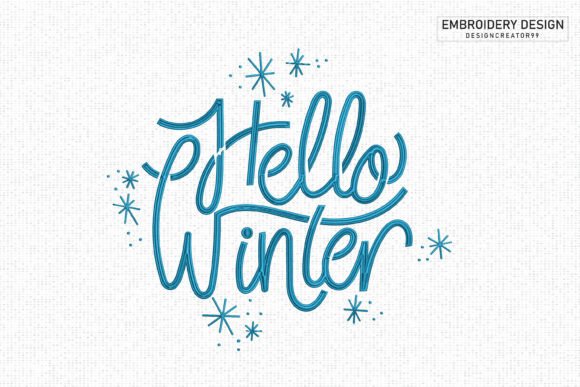
Hello Winter Embroidery
A Designer’s First Look: Charm, Clarity, and Cozy Intent
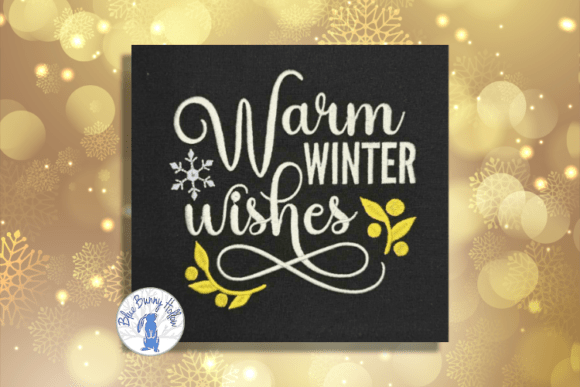
As an embroidery designer who’s stitched thousands of personalized gifts—from newborn blankets to wedding keepsakes—I opened Hello Winter Embroidery expecting seasonal warmth, not just snowflakes. What greeted me was exactly that: a hand-lettered script with gentle curves, airy spacing, and delicate snowflake accents that don’t overwhelm—they invite. It feels handmade, not mass-produced; sweet but not saccharine, festive but not flashy. The mood is quiet celebration—like hot cocoa by the window, not a New Year’s countdown. That emotional resonance matters deeply when you’re building trust with customers ordering meaningful personalized gift items.
Where Hello Winter Embroidery Truly Shines
This machine embroidery design thrives where sentiment meets simplicity. On a soft cotton baby blanket? Perfect—it reads clearly even at 4–5 inches wide, and the script’s natural flow complements tiny hands and quiet nursery moments. As baby embroidery, it pairs beautifully with monogrammed initials or a birth date in a subtle complementary font (just confirm spacing compatibility before combining).
For wedding gift applications—think linen pillow covers, heirloom tea towels, or framed kitchen art—it adds understated romance. Imagine “Hello Winter” stitched beside a couple’s initials and wedding date on a cream-colored apron: elegant, seasonally grounded, and timeless. Small shop owners and Etsy sellers will appreciate how easily it elevates a basic pillow cover or embroidered towel into a curated, giftable item.
Nursery decor gains instant cohesion with this design—especially when paired with neutral palettes and natural fibers. On organic cotton muslin or brushed flannel, the stitch definition holds beautifully. And for craft fairs or holiday pop-ups? Hello Winter Embroidery works exceptionally well as a small shop product preview: stitch it onto a mini tote bag or ceramic mug sleeve (with proper stabilizer and hoop setup) to show customers exactly what their custom order could look like.
Thoughtful Placement Matters—Here’s Where to Pause
While versatile, this digital embroidery file isn’t universally forgiving. Its charm lives in fine line work and open letterforms—so avoid using it on highly textured fabric like terry cloth bath towels unless you’ve tested density and underlay thoroughly. Likewise, stretchy baby onesies demand extra stabilization and possibly reduced stitch density to prevent puckering around delicate curves.
The snowflakes are small but intentional—don’t shrink the entire design below 3.5 inches without checking detail retention. On dark fabric, contrast becomes critical: light thread (ecru, pale gray, soft silver) reads beautifully, but avoid off-white on charcoal—it can disappear. And never skip testing on your *exact* fabric type: a quilted blanket behaves differently than a woven cotton pillow cover, and stitch tension shifts across materials.
Also note: curved surfaces (like mugs or rounded ornaments) require specialized hoops or alternative mounting—Hello Winter Embroidery wasn’t built for wrap-around distortion, so stick to flat or gently contoured substrates for best results.
How This Design Builds Trust—and Sales
In today’s handmade market, perceived quality drives purchase decisions faster than price. When customers see crisp, balanced lettering and intentional snowflake placement in your product photography, they immediately associate it with care—not automation. That translates directly to higher cart conversion, fewer returns, and repeat orders. A well-executed finished product using Hello Winter Embroidery tells your buyer: “This wasn’t rushed. This was chosen with intention.”
It also strengthens emotional connection. Unlike generic “Winter Wonderland” motifs, “Hello Winter” feels personal, welcoming, and human. That makes it ideal for milestone gifting—first winter home, post-wedding nesting, new parenthood. Customers don’t just buy a towel; they buy a memory anchor. For custom embroidery businesses, that narrative is gold.
Practical Notes Every Maker Should Follow
- Always test first: Stitch Hello Winter Embroidery on scrap fabric matching your final substrate—same weight, weave, and stretch.
- Confirm hoop size: Check the design’s native hoop requirements before digitizing adjustments. Some versions may fit standard 4x4 hoops; others need 5x7. Don’t assume.
- Stabilizer is non-negotiable: Use cutaway for knits and lightweight wovens; tear-away for stable linens and quilting cottons. Skip it, and delicate script edges will blur.
- Review stitch density: High-density fills in snowflakes can cause stiffness on soft baby items. If needed, reduce fill density slightly—but only after testing.
- Compare thread colors: Print a printable mockup in your top three thread options against fabric swatches. Digital screens lie; real thread on real fabric doesn’t.
- Inspect small details post-stitch: Zoom in on snowflake points and letter terminals. Are they sharp? Clean? Any skipped stitches? Adjust tension or needle size if needed.
- Verify commercial licensing: Before listing on Etsy or fulfilling wholesale orders, confirm your embroidery file license permits commercial embroidery. Not all sellers include resale rights.
Final Thoughts: A Quiet Standout for Meaningful Making
Hello Winter Embroidery won’t shout—but it lingers. It’s the kind of handmade product that earns shelf space in a boutique, gets pinned on Pinterest for its quiet elegance, and lands softly in a new parent’s hands with genuine warmth. It’s not just a Winter design; it’s a gesture. For makers who value intention over impulse, clarity over clutter, and connection over commerce—this embroidery file earns a permanent spot in the seasonal rotation.