Candy Cane Christmas Embroidery
First Impression: Festive, Whimsical, and Instantly Recognizable
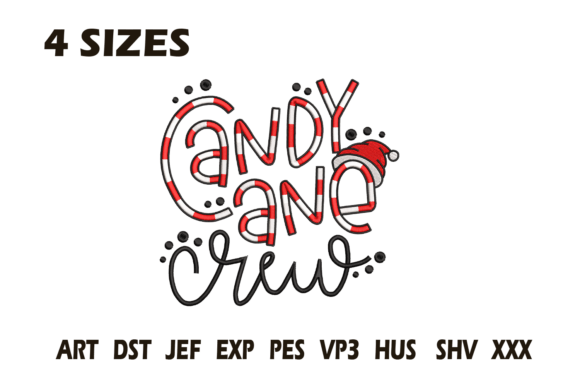
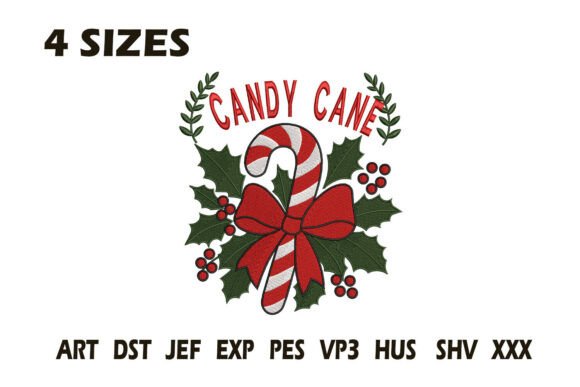
As an embroidery designer who’s prepped over 80 craft fair booths—and shipped thousands of handmade products—I’ll say it straight: Candy Cane Christmas Embroidery lands with cheerful clarity. It doesn’t try to be elegant or minimalist. It’s festive first, playful second, and charmingly unapologetic about its holiday spirit. That’s a huge advantage at a bustling market where shoppers glance for under three seconds before moving on. The title alone cues warmth, nostalgia, and seasonal joy—no decoding needed. For Etsy sellers and small shop owners, that kind of instant emotional resonance is gold.
Where It Shines: Craft Fair Product Pairings That Sell
This design thrives as a small-shop product with strong visual rhythm—not too busy, not too sparse. Here’s how it performs across your most common craft fair inventory:
- Tote bag design: Works beautifully centered on the lower front panel. At 4–5 inches wide, it reads clearly from six feet away—ideal for booth signage and grab-and-go gifting.
- Apron embroidery: Perfect above the pocket or on the bib. Its curved shape echoes apron contours, making it feel intentional—not tacked on.
- Tea towel embroidery: A standout on natural cotton or linen. The contrast between crisp fabric and candy-striped playfulness elevates an everyday item into a giftable handmade product.
- Embroidered patch: Excellent candidate for iron-on or sew-on versions. Small enough (under 3”) to stitch cleanly without dense fill areas compromising durability.
- Pillow cover & fabric pouch: Adds just enough whimsy without overwhelming texture. Especially effective on neutral backgrounds—cream, oat, or charcoal.
- Caps & market bags: Use with caution. On curved cap surfaces, test stitch density first—tight loops in the cane twist can pucker if stabilizer isn’t matched to fabric weight.
What Makes It Booth-Ready (and Online-Ready)
Candy Cane Christmas Embroidery is inherently photogenic. Its high-contrast red-and-white palette pops against wood tables, chalkboard signs, and woven baskets—the staples of any craft fair display. As a printable mockup, it translates cleanly to digital listings: no gradients, no fine-line details that blur in thumbnail view. That means stronger Etsy visibility and faster buyer trust.
It also scales well. Whether stitched at 2.5” for a keychain pouch or expanded to 6.5” for a pillow cover, the core motif holds legibility. That flexibility supports batch production—critical when you’re stitching 40+ tote bags the week before a holiday market.
Careful-Use Notes Every Embroidery Designer Should Check
Don’t skip these practical checks before cutting fabric or loading your hoop:
- Dense stitch areas: Candy cane spirals often pack tight satin stitches. On textured towels or thick denim, this can cause thread breakage or fabric distortion—always pair with cutaway stabilizer.
- Small lettering or fine lines: If the file includes “Merry” or “Joy” script, verify readability at 2” scale. Tiny serifs vanish on dark fabric or low-thread-count cotton.
- Fabric texture matters: Avoid using Candy Cane Christmas Embroidery on heavily napped fleece or bouclé—details get lost. Stick to smooth weaves for maximum impact.
- Dark fabric contrast: Red thread on black fabric? Gorgeous—but only if your machine handles color changes smoothly. Test thread tension and bobbin visibility first.
- Hoop size alignment: Confirm the largest version fits your standard hoop without re-hooping mid-stitch. Nothing kills momentum like stopping every 90 seconds.
How It Strengthens Your Handmade Brand
This isn’t just another Christmas embroidery—it’s a design asset that reinforces consistency across your line. Stitch it on tea towels, then echo the same red/white combo in your gift tags and packaging. Repeat it on aprons and patches, and customers begin to recognize your booth’s joyful aesthetic—even before they read your shop name.
For Etsy sellers, that cohesion builds search-friendly recognition: “Sarah’s Candy Cane Collection” becomes a real category in buyers’ minds. And because Candy Cane Christmas Embroidery feels handmade—not mass-produced—it lifts perceived value. A $28 embroidered tote doesn’t feel like a generic gift; it feels like a curated, cheerful moment.
Designer-to-Designer Production Checklist
Before stitching your first finished product, run through this list:
- Test the machine embroidery design on scrap fabric matching your final product’s weight and weave.
- Verify thread colors in natural light—not just screen glow. Red can shift dramatically between monitors and reality.
- Review spacing between cane stripes: too tight = stiff fabric; too wide = loss of iconic rhythm.
- Confirm hoop size and whether the file includes multiple sizes (essential for scaling across product types).
- Inspect stitch density in the curve zones—look for skipped stitches or excessive underlay.
- Match stabilizer to end use: tear-away for lightweight tees, cutaway for towels and bags.
- Create at least one real mockup—not just a digital preview. See how light catches the satin stitch in person.
- Compare results across 2–3 fabric colors: white, cream, and navy tell very different stories.
- Double-check commercial licensing for the digital embroidery file. If selling finished goods, you need explicit permission—not just personal-use rights.
Final Thought: A Reliable, Joyful Workhorse
Candy Cane Christmas Embroidery won’t win awards for avant-garde design—but it will sell. Consistently. Across tote bags, tea towels, patches, and pillow covers, it delivers recognizable charm with minimal production friction. It’s the kind of craft fair product that draws smiles, sparks conversations, and moves off the table before noon. For embroidery business owners and creative entrepreneurs building a sustainable handmade practice, reliability like this isn’t boring—it’s foundational. Stitch it smart, test it early, and let that candy-striped cheer do the heavy lifting.