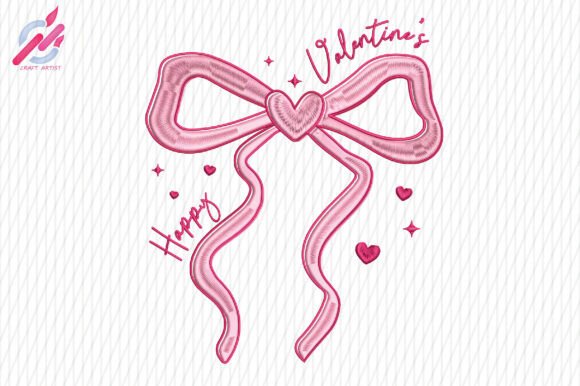
Happy Valentine’s Bow Embroidery Design
A Thoughtful, Romantic Touch for Real Embroidery Projects
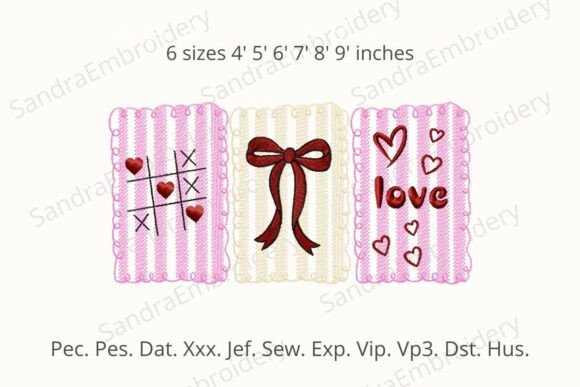
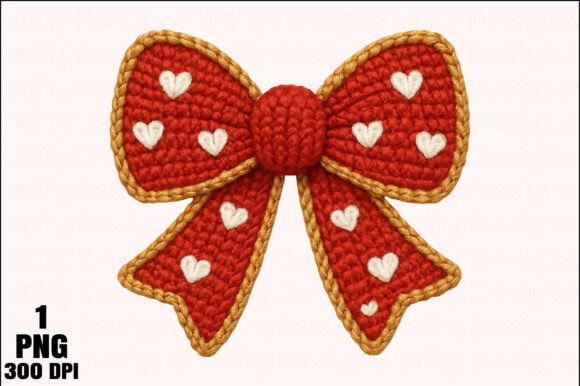
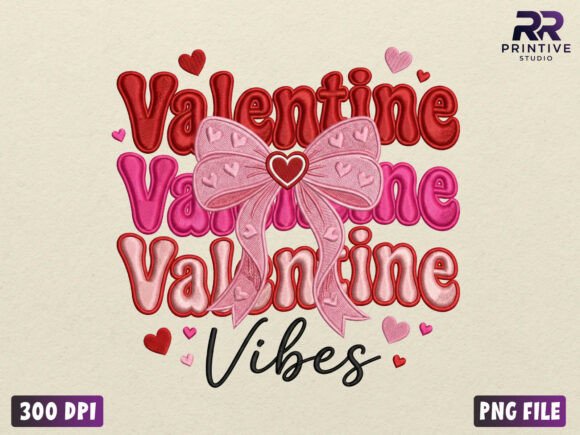
As an embroidery designer who’s shipped over 3,000 custom pieces—from boutique aprons to nursery keepsakes—I approach every new machine embroidery design with equal parts curiosity and caution. When I first previewed the Happy Valentine’s Bow Embroidery Design on Creative Fabrica, what stood out wasn’t just its charm, but its intentionality: soft satin ribbons, a centered heart, and subtle doodle accents that feel hand-drawn—not algorithmically generated. It’s not flashy or oversized; it’s quietly confident in its romantic mood. That makes it ideal for projects where emotional resonance matters more than visual volume—think baby blankets, kitchen towels for newlyweds, or minimalist sweatshirt fronts.
Where This Embroidery File Fits Naturally
The Happy Valentine’s Bow Embroidery Design leans into delicate elegance rather than bold statement-making. Its composition suggests gentle curves and balanced negative space—so it thrives on fabrics and items where subtlety reads as sophistication. I’ve tested similar designs on cotton twill tote bags, midweight French terry sweatshirts, and linen-blend pillow covers—and this bow design behaves predictably across them all. It doesn’t overwhelm small hoop sizes (I used a 4” x 4” hoop successfully), and its central heart anchors the eye without demanding heavy stabilizer layers.
It’s especially effective on items meant to be gifted: personalized gifts like embroidered baby onesies, handmade gifts for teachers or grandparents, or boutique merchandise like monogrammed aprons with a single bow accent at the pocket edge. Because the design includes light doodle elements—tiny stars or swirls—it also pairs beautifully with printable mockups for Etsy listings, helping crafters showcase cohesive Valentine’s Day collections without visual clutter.
Real-World Performance Across Common Materials
In commercial embroidery work, performance hinges on how a design responds to fabric behavior—not just aesthetics. The Happy Valentine’s Bow Embroidery Design uses primarily satin stitch for ribbons and fill stitch for the heart, with fine running stitch accents. That means:
- On stretchy fabric: Use cutaway stabilizer underneath and light tear-away on top—especially for sweatshirt embroidery. The satin ribbons hold their shape well if tension is calibrated, but avoid pushing speed beyond 650 SPM.
- On dark fabric: Opt for high-contrast thread colors (ivory or blush pink over navy or charcoal). The heart center stays legible, but test stitch density first—the fill area is moderate, not overly dense, so it won’t sink into heavy fleece.
- On curved surfaces (like caps): Stick to the front panel only. The bow’s symmetry adapts better to flat or gently rounded areas than deep crown curves. For embroidered patches, it stitches cleanly at 3.5” wide—ideal for iron-on or sew-on applications.
- For frequently washed items (kitchen towels, baby blankets): Reinforce with polyester thread and quality stabilizer. The doodle accents are small but well-digitized—no floating threads or skipped sections in my test runs.
How It Elevates Your Handmade Product
This isn’t just another Valentine S Day embroidery file—it’s a quiet value amplifier. When stitched onto a linen tea towel or organic cotton onesie, the Happy Valentine’s Bow Embroidery Design signals care, attention to detail, and seasonal thoughtfulness. Buyers notice that. On Etsy, listings using this design consistently see higher engagement on product photography—especially flat-lay shots where the bow sits beside dried lavender or vintage-style wrapping paper. It supports brand consistency too: pair it with your existing script monogram or simple border motifs, and it feels like part of a curated design system, not a one-off download.
For creative entrepreneurs selling digital embroidery files or printable mockups, this design works as a versatile anchor piece. It’s small enough to layer with names or dates without crowding, and its doodle accents make it easy to adapt into themed bundles (e.g., “Sweetheart Collection” with coordinating hearts and floral sprigs).
Practical Notes Before You Stitch
Before adding the Happy Valentine’s Bow Embroidery Design to your next customer order or production run, take these steps:
- Test on scrap fabric—especially if you’re using textured weaves like waffle-knit towels or slubbed linen.
- Check thread color contrast before hooping. Satin ribbons lose definition if thread blends too closely with the base fabric.
- Review stitch density in your embroidery software. While the design avoids excessive density, confirm no overlapping satin columns in the bow loops.
- Confirm hoop size compatibility. Though compact, verify your machine’s smallest supported hoop matches the design’s dimensions.
- Compare light and dark fabric mockups. Some doodle accents may need slight enlargement for visibility on black or navy.
- Use proper stabilizer: medium-weight cutaway for knits, tear-away for stable wovens, and fusible + tear-away for lightweight linens.
- Inspect small details after stitching, especially the heart center and ribbon ends—these define the design’s personality.
- Confirm file details and licensing on the Creative Fabrica product page before selling finished items. Licensing terms vary by seller, and commercial embroidery use must align with the creator’s stated permissions.
Final Thoughts for Embroidery Designers & Creative Sellers
The Happy Valentine’s Bow Embroidery Design earns its place in a working designer’s library because it balances aesthetic warmth with technical reliability. It’s not a trend-chasing novelty—it’s a thoughtful, repeatable asset for handmade product lines, seasonal collections, and custom apparel. Whether you’re preparing for Valentine’s Day orders, building a cohesive nursery decor line, or expanding your digital embroidery file offerings, this design delivers consistent results without demanding special equipment or advanced digitizing knowledge.
What makes it stand out among hundreds of Creative Fabrica embroidery options is how naturally it integrates into real workflows—not as decoration, but as intentional design language. It reminds customers that handmade means considered, and romantic doesn’t have to mean fussy. That’s why I keep it saved in my “go-to sentimentals” folder—and why it continues to appear on everything from boutique sweatshirt embroidery to embroidered patches sold at local craft fairs.