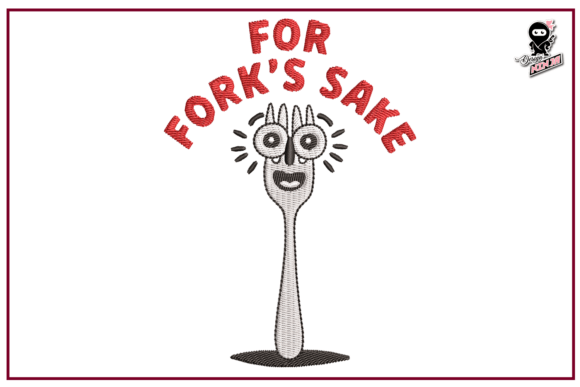
Funny Kitchen Embroidery
A Designer’s Real-World Review for Small Business Merchandise
As an embroidery designer who’s digitized and stitched thousands of commercial projects—from café aprons to boutique tote bags—I approached Funny Kitchen Embroidery with a very specific question: *Does this machine embroidery design deliver brand-ready polish, not just charm?* The answer matters most when you’re stitching for customers—not craft fairs, but real small businesses counting on consistency, durability, and visual impact.
First Impression: Playful, Not Precarious
“Funny Kitchen Embroidery” signals warmth and approachability—ideal for bakeries, farm-to-table cafés, handmade spice brands, or local food studios. It doesn’t read as cartoonish or overly literal (no cartoon whisk or winking oven), which is a win. Instead, the title suggests a design that balances wit with craftsmanship—friendly enough for a floral shop’s staff apron, yet refined enough for a ceramicist’s limited-edition kitchen towel line. That tonal balance is rare—and commercially valuable.
Where It Shines in Business Use
Funny Kitchen Embroidery excels where personality meets practicality:
- Embroidered patches: Perfect as a sew-on or iron-on accent on denim jackets, canvas totes, or reusable produce bags—especially for farmers’ markets or pop-up shops.
- Staff uniforms & aprons: Works beautifully on chest pockets or left-chest placement. Its scale and rhythm hold up well next to name tags or business logos without competing.
- Cap embroidery: When sized appropriately (4–5 inches wide), it reads clearly on structured front panels—ideal for catering teams or artisanal coffee roasters.
- Tote bag design: Scales elegantly to center-back or side-panel placement. Unlike dense script, its likely open layout avoids “mushiness” on loose-weave canvas.
- Product packaging accents: Think embroidered twill labels on jar sleeves, tea box wraps, or linen napkin hems—adding tactile authenticity to handmade product lines.
- Customer gifts & event merch: Stitches cleanly on cotton tees, linen tea towels, and canvas market bags—items customers keep and reuse, extending your brand visibility organically.
Where Caution Is Key
Even strong designs have limits—and overlooking them risks inconsistent results. With Funny Kitchen Embroidery, pay close attention to:
- Small patch sizes (<4 inches): If the design includes fine outlines or tight letter spacing, scaling below 3.5" may cause thread crowding or loss of legibility. Always test at target size.
- Curved surfaces (like cap fronts or curved tote handles): High stitch density can pull fabric or distort registration. Confirm the embroidery file includes proper underlay and pull compensation—or request a cap-optimized version.
- Textured fabric (burlap, heavy linen, terry cloth): These absorb stitches differently. Use cutaway stabilizer and reduce top tension slightly during test runs.
- Dark uniforms: Contrast matters. Test thread colors against navy, charcoal, or deep olive—avoid pastels unless paired with light backgrounds.
- Frequent washing: Ensure the digitizing uses secure satin and fill techniques—not just decorative runs. Look for clean jump stitches and minimal thread trims to prevent fraying over time.
Brand Identity Impact: More Than Just Cute
For small businesses, every embroidered detail contributes to perceived value and trust. Funny Kitchen Embroidery supports brand identity when used intentionally—not as filler, but as signature. A bakery using it on aprons tells customers, “We take pride in our craft—and we don’t take ourselves too seriously.” A florist pairing it with botanical prints on canvas totes signals cohesive, hand-curated style. That consistency builds recognition faster than social media alone.
Crucially, it avoids generic clipart energy. When stitched cleanly, it reads as custom—not templated. That perception lifts perceived product value, especially for Etsy sellers and handmade brands competing on authenticity. Customers notice the difference between “embroidered” and “thoughtfully embroidered.” Funny Kitchen Embroidery lands firmly in the latter category—if executed with care.
Practical Designer Notes Before You Stitch
Before committing to production—whether for 5 aprons or 500 caps—run these checks:
- Test in black and white first. Print the embroidery file outline to assess balance, spacing, and negative space—no color distractions.
- Verify small-patch viability. Resize to your smallest intended use (e.g., 2.75" for sleeve patches) and check if details remain distinct.
- Review thread color contrast. Order physical thread swatches. On-screen previews lie—especially with metallics or heathers.
- Inspect spacing and density. Zoom into vector or DST preview files. Tight loops or overlapping fills increase stitch count and risk puckering.
- Confirm hoop size compatibility. Does the design fit your standard hoops? Avoid last-minute rehooping delays on production runs.
- Test on real fabric. Run a sample on the exact material—fabric weight changes everything. A 60% cotton/40% polyester blend behaves differently than 100% organic linen.
- Use proper stabilizer. Cutaway for knits, tear-away for stable wovens, fusible for lightweight linens—never skip this step.
- Create a printable mockup. Present stitched samples alongside lifestyle photos to clients before bulk orders. It prevents costly revisions.
- Compare beside other design assets. Does it harmonize with your logo, typography, and packaging? Consistency strengthens brand recall.
- Confirm commercial licensing. Since this is a digital embroidery file intended for small business merch, ensure your purchase grants rights for resale, client work, and branded products—not just personal use.
Remember: Funny Kitchen Embroidery isn’t just decoration. It’s a touchpoint. A stitched detail on a customer’s tote bag is a silent ambassador. An apron logo becomes part of your team’s daily presence. A cap design turns staff into walking brand advocates. Done right, it elevates your entire offering—not just the item being stitched, but the experience of working with you.
So go ahead—download that embroidery file. But stitch smart. Test first. Respect the fabric. Honor the brand. And let Funny Kitchen Embroidery do what it does best: add warmth, wit, and unmistakable craft to your small business merch.