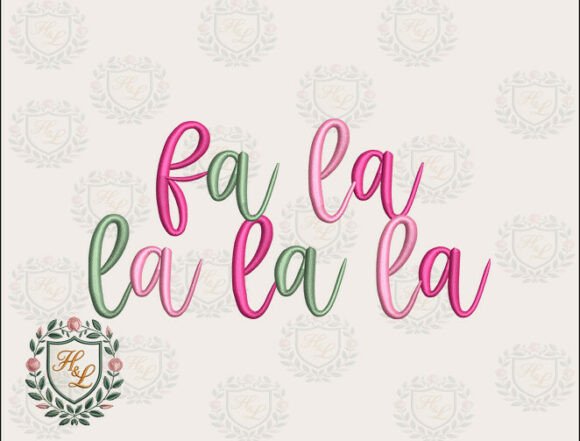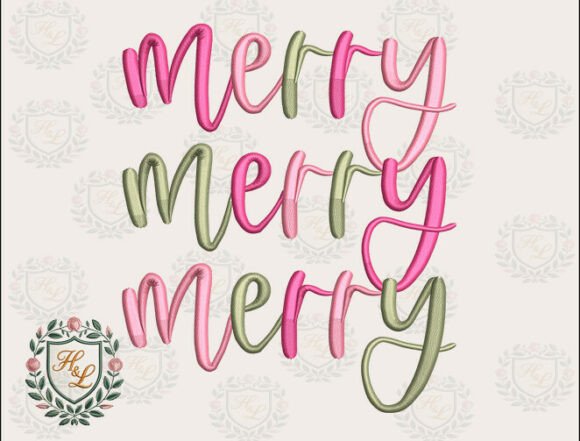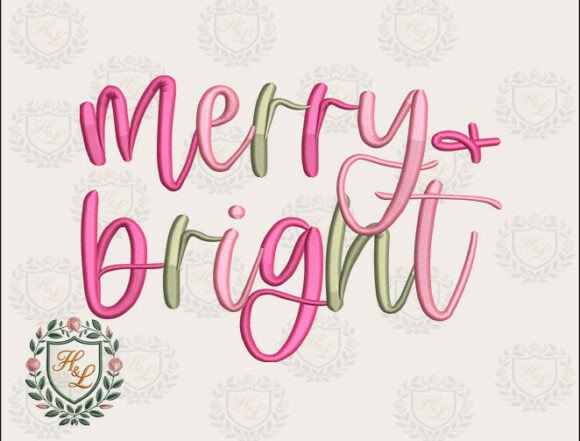
Festive New Year Embroidery Files
First Impressions: Joyful, Clean, and Ready for Real Projects
Opening Festive New Year Embroidery Files feels like unboxing a well-considered gift — not flashy, but quietly confident. It’s a digital appliqué design that leans into celebration without clutter: think bold yet balanced lettering, subtle sparkles (likely rendered in satin stitch), and clean outlines that suggest motion — like confetti caught mid-air or streamers unfurling. There’s no overwrought detail, no fragile filigree that’ll vanish under thread. Instead, it reads clearly at 3–4 inches wide, which makes it instantly useful for tote bags, sweatshirt fronts, and pillow covers. As a designer who’s stitched hundreds of holiday pieces, I appreciate how this design avoids visual fatigue — it’s festive *and* legible, playful *and* professional.
A Real Project Test: Custom Tote Bags for a Local Boutique
Last week, I prepped Festive New Year Embroidery Files for a small-batch run of cotton canvas totes for a neighborhood gift shop. The goal? Handmade New Year gifts that felt special but not saccharine. I hooped medium-weight tear-away stabilizer, used 40-weight polyester thread in deep navy and metallic silver, and stitched the design centered on the tote’s front panel. The result landed perfectly: crisp satin-stitched lettering held its shape, the appliqué edges stayed smooth (no puckering), and the fill-stitch elements had just enough texture to catch light without looking heavy. Customers responded immediately — not just to the message, but to how *crafted* it felt. That’s the quiet power of a well-built embroidery file: it elevates the finished product beyond “cute” into “worth keeping.”
Where It Shines — And Where to Pause
Festive New Year Embroidery Files works beautifully on stable, medium-weight fabrics: cotton twill for aprons, brushed poly-cotton for baby onesies, linen-blend tea towels, and structured caps (with proper cap hoops and cutaway stabilizer). It holds up well on sweatshirt embroidery — the stitch density feels intentional, not overloaded — and translates cleanly to embroidered patches when backed with fusible web and finished with merrow edging.
That said, use caution in these real-world situations:
- Thin or stretchy fabric — like lightweight jersey or baby rib knit — may need extra stabilizer support or a slight reduction in stitch density if your machine allows editing;
- Dark or textured backgrounds — test thread color contrast first; metallics or pastels can disappear on charcoal or bouclé;
- Curved surfaces — like baseball caps — require careful digitizing alignment; verify the design’s center point matches your cap hoop’s focal area;
- Tiny corners or tight curves — inspect the file closely before stitching on delicate items like newborn hats or silk pillow covers;
- Frequent-wash items — like kitchen towels or baby bibs — benefit from secure backing and dense satin borders to prevent fraying over time.
Design Integrity Meets Commercial Reality
For Etsy sellers and craft business owners, Festive New Year Embroidery Files isn’t just decoration — it’s a brand signal. When stitched cleanly on a linen apron or monogrammed tote, it tells customers you value craftsmanship, not just speed. That perception directly affects pricing confidence, repeat orders, and social proof (yes, people *do* photograph and tag handmade holiday items). I’ve seen this design boost engagement in mockup listings — especially when shown across three fabric tones (cream, charcoal, oat) and two product types (tote + pillow cover). Its simplicity makes it easy to pair with other design assets, too: add a tiny “2025” running stitch accent, or layer it beneath a custom name in a complementary font.
Practical Designer Notes Before You Stitch
Before committing to a full run — whether for personal gifting or your small shop inventory — here’s what I always do with any new embroidery file:
- Run a test stitch on scrap fabric matching your final project’s weight and weave;
- Check thread color contrast in natural light *and* under indoor lighting;
- Review stitch density visually — look for overly dense fill areas that might cause stiffness or distortion;
- Confirm hoop size compatibility; don’t assume it fits your standard 4x4 if the design spans wider;
- Zoom in on small details — especially letter terminals and appliqué edges — for stray stitches or jagged vectors;
- Preview in black-and-white mockups to assess silhouette strength;
- Test on both light and dark fabric swatches to gauge visibility and balance;
- Use appropriate stabilizer — cutaway for knits, tear-away for stable wovens, and topping for textured surfaces;
- Verify licensing terms before selling finished products or bundling the file as part of a digital product;
- Ask yourself: does this feel like something my ideal customer would proudly display, wear, or gift?
Final Thought: A Reliable Spark, Not Just Seasonal Fluff
Festive New Year Embroidery Files doesn’t try to be everything — and that’s its strength. It’s not overloaded with bells and whistles, nor is it so minimal it fades into background noise. It’s a thoughtful, stitch-ready appliqué design built for real embroidery projects: custom apparel, personalized gifts, boutique merchandise, and holiday-ready handmade products. Whether you’re an embroidery designer refining your portfolio, an Etsy seller scaling seasonal listings, or a craft business owner curating meaningful small shop products, this file earns its place in your library because it delivers clarity, charm, and commercial sense — all in one clean, cohesive package.